




Mozzarella: The Story Behind the World's Favourite Cheese
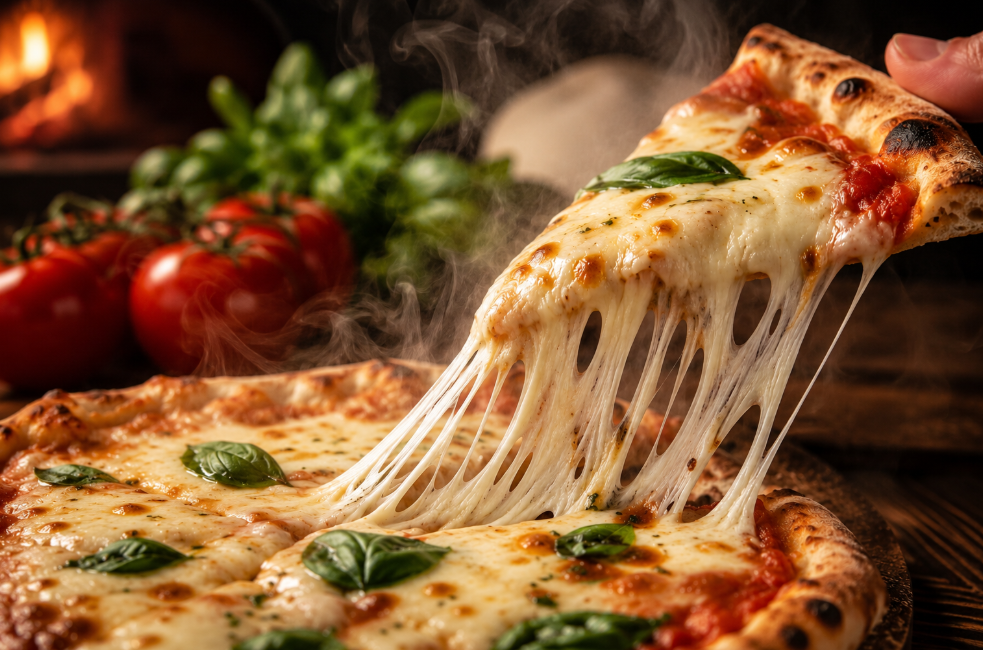
Here's a fact that surprises most people: mozzarella wasn't invented for pizza. Pizza came along centuries later and simply had the good sense to borrow the best cheese in the room. Long before it was melting over a Margherita, mozzarella was a delicacy in its own right — eaten fresh, torn by hand, and never, ever asked to share the spotlight with anything else.
It's easy to think of mozzarella as background cheese. The reliable, mild, stretchy one that turns up wherever there's dough involved. But spend five minutes with its actual story and you'll never look at a ball of fresh mozzarella the same way again.
A Cheese Born in Campania
 Mozzarella's story begins in southern Italy, in the sun-baked region of Campania, somewhere around the 12th century. Monks at the San Lorenzo monastery near Capua are often credited with some of the earliest written references to a curious fresh cheese served to pilgrims — a far cry from the aged, hard cheeses that dominated the era.
The original mozzarella wasn't made from cow's milk at all. It came from water buffalo, animals that had been introduced to the marshy plains of Campania and thrived in the wetlands around Caserta and Salerno. Buffalo milk is richer and higher in fat than cow's milk, which gave early mozzarella its famously silky, almost custardy texture — a far richer eating experience than the cow's milk version most of us know today.
As for the name itself, it comes from the Italian verb mozzare, meaning "to cut" or "to sever." It's a wonderfully literal description of how the cheese is made: fresh curd is pulled, then cut or pinched off by hand into balls. No fancy branding exercise, no marketing meeting — just a description of the motion a cheesemaker's hands make a hundred times a day.
How Mozzarella Actually Gets Its Stretch
If you've ever pulled apart a fresh mozzarella ball and watched it separate into soft, silky strands, you've witnessed the magic of a technique called pasta filata — literally, "spun paste."
Here's the simple version. Milk is cultured and set with rennet, forming a soft curd, much like the start of many cheeses. But instead of just draining and pressing that curd, cheesemakers heat it in hot water until it becomes elastic — think warm chewing gum rather than crumbly cottage cheese. At that exact point, the curd is stretched and folded, stretched and folded again, developing those long, glossy protein strands that give mozzarella its signature pull.
Once the texture is right, the cheese is shaped by hand — rounded into balls, plaited into knots, or pulled into the delicate strands of stracciatella. It's then briefly bathed in cool water or light brine to set its shape and season it gently.
It's a process that rewards patience and touch far more than precision instruments. A cheesemaker can feel when the curd is ready, long before a thermometer confirms it. That's part of why genuinely good mozzarella, the kind made in small batches by hand — including local Australian producers like Fresco Cheese in Burleigh Heads — tastes noticeably different to mass-produced blocks. The texture holds a memory of the hands that made it.
Five Things You Probably Didn't Know About Mozzarella
- Fresh mozzarella and the "pizza cheese" in supermarket blocks are cousins, not twins. The soft, wet balls sold swimming in liquid are a completely different eating experience to the firmer, lower-moisture mozzarella designed to melt evenly on pizza without turning it soggy.
- It's meant to be eaten fresh — as in, today. Traditional mozzarella isn't an aged cheese. It's at its best within a day or two of being made, which is exactly why supermarket versions are stabilised for a longer shelf life, sacrificing a little texture for practicality.
- Buffalo mozzarella (mozzarella di bufala) has its own protected status in Italy. Under EU law, true Mozzarella di Bufala Campana can only be made in specific regions using buffalo milk — a similar protection to Champagne or Parmigiano Reggiano.
- The liquid it sits in isn't just for show. That whey-based brine keeps the cheese moist and helps preserve its delicate texture. Tip: never store mozzarella dry — always keep it submerged in its liquid, or a light salted water, until you're ready to use it.
- Warm mozzarella tastes different to cold mozzarella. Serving it straight from the fridge mutes its flavour and firms up the texture. Bring it to room temperature for twenty minutes before serving and you'll notice a completely different — much creamier — cheese.
Beyond Pizza: Where Mozzarella Really Shines
Breakfast. Torn mozzarella over soft scrambled eggs, or melted into a folded omelette with basil, brings a gentle creaminess that cheddar simply can't replicate.
BBQ. Thick slices of mozzarella hold their shape beautifully on the grill when lightly floured first, becoming a smoky, charred side that pairs perfectly with grilled vegetables.
Salads. The classic caprese exists for good reason, but mozzarella also works beautifully torn over roasted stone fruit, rocket and a drizzle of good olive oil.
Sandwiches. Swap your usual cheese for fresh mozzarella in a toasted sandwich and notice how much more evenly, and more elegantly, it melts.
Grazing boards. Small mozzarella balls (bocconcini) add a soft, approachable texture next to firmer cheeses, cured meats and olives.
Stuffed meats. Chicken breast, meatballs or a butterflied steak stuffed with mozzarella delivers that satisfying cheese-pull moment diners always appreciate.
Contemporary plates. Modern chefs are blending mozzarella into orzo dishes, folding it through risotto at the last moment, or blitzing it into a warm dip with roasted garlic.
Smart Swaps: When Mozzarella Can Step In
Mozzarella is more versatile as a substitute than most people realise:
- Instead of cheddar on a toastie, for a milder, creamier melt with less oiliness.
- Instead of Swiss on a sandwich, when you want stretch without the nutty sharpness.
- Instead of provolone on a steak sandwich, for a softer bite.
- Instead of Monterey Jack in a quesadilla, for a cleaner, less buttery melt.
- Instead of processed cheese slices in a burger, for genuine flavour without the plastic-like texture.
The Quiet Champion of the Cheese World
Mozzarella has spent so long standing next to pizza that its own character often gets overlooked. But peel back the reputation and you'll find a cheese with real history, real craft, and real range — equally at home on a breakfast plate, a grazing board or a sizzling grill.
Next time you reach for a block of something familiar out of habit, consider giving mozzarella the main stage instead of the supporting role. It's earned it.